

Tips for Birding
Remember SCAMPS!
Noticing these details can help you identify and remember wild birds more easily.
Shape & Size:
Is the bird shaped like a cardinal, crow, goose, or heron, etc?
Is its body long, compact, sleek, or pointy, etc?
Is the bird small, medium-sized, or large?
Color:
Dark/black, dappled brown, bright red, blue-grey, etc.
Action:
What is the bird doing? Singing, hopping, pecking,
wading, soaring, flapping, etc.
Movement:
Waddles like a duck, bobs like a chicken,
soars overhead in circles, flaps wings rapidly when flying, etc.
Place:
Where did you see the bird? On a tree branch,
on top of a telephone pole, in a pond, in the grass, etc.
Sound:
Did you hear the bird call? Did it sound like a caw, squawk, quack, trill, whistle, or chirp, etc.?
Bird Shape & Size Chart
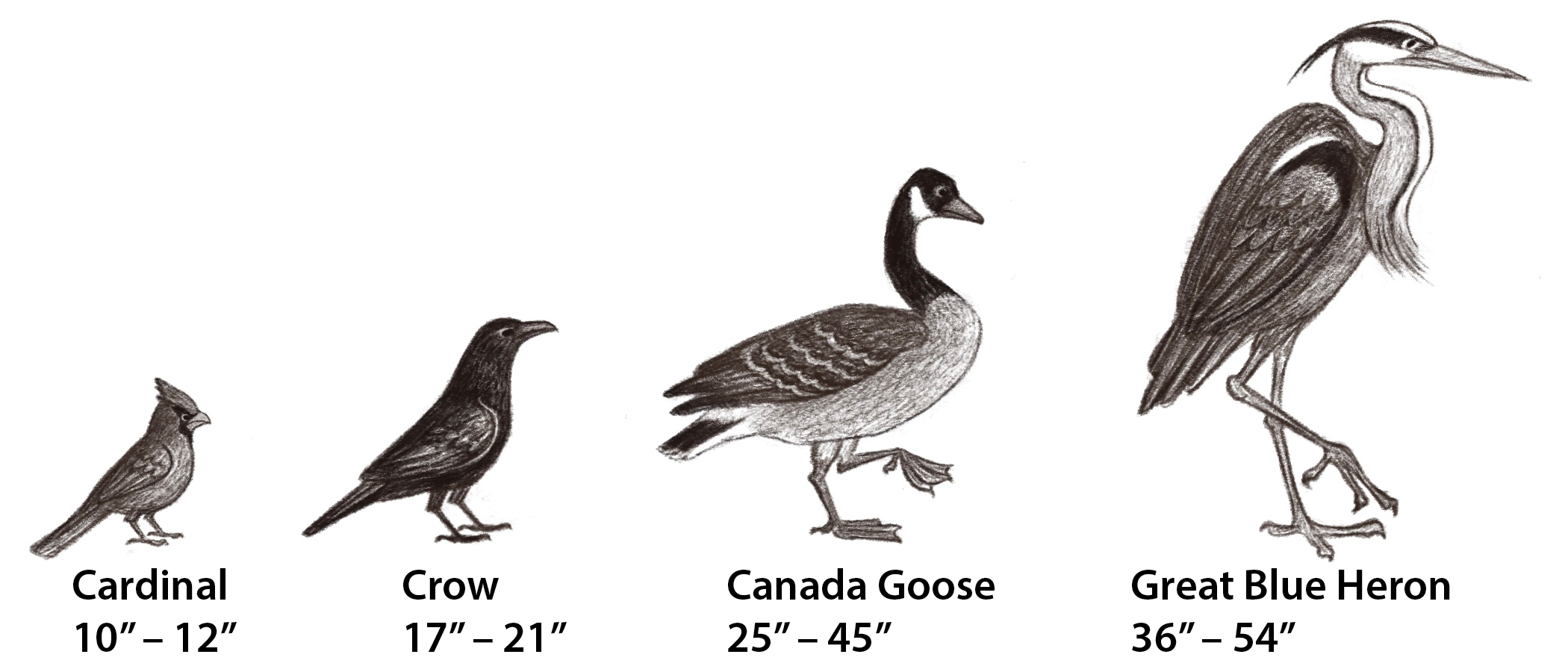
For example – Great Blue Heron
• Shape & Size: Long sleek body, neck, and legs. Tall (approximately 4 feet).
• Color: Overall blue-grey in color with white, black, and rusty orange markings.
• Action: Wades in the water and flies overhead with neck coiled and legs extended.
• Movement: When hunting, head and neck lung forward rapidly to snatch the fish or amphibian from the water.
• Place: Live near creeks, ponds, and lakes.
• Sound: Usually silent, but lets out a loud "SQUAWK!" when disturbed.
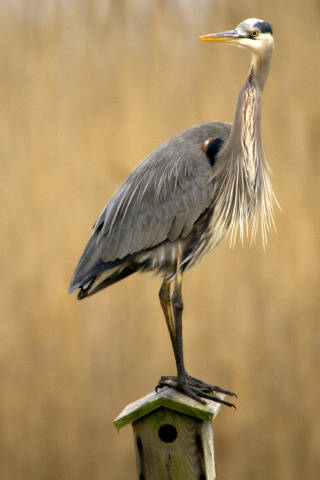
Great Blue Heron Photo: Public Domain image from US Fish and Wildlife Service National Digital Library
Resources for Birding
Using free species ID apps and field guide books you can check out from Denton Public Library are great ways to get to know bird species.
Free Species ID App Downloads for Your Phone
Seek by iNaturalist – IDs birds, mammals, reptiles, insects, and plants through photos
Peterson Field Guide to Birds of North America by Roger Tory Peterson
• Draw and/or write about the birds you see, where you see them, and what they are doing.
For example, you can see birds gathering nest-building materials (including grass, sticks, or plant fluff such as Cottonwood down) in the early spring through mid summer.
Anytime you are outdoors.
• Creates a deeper connect and appreciation for the place where you live. Do ravens live in Denton, TX?
Merlin by Cornell Lab – IDs birds through sound recordings
Books to Check Out
The Sibley Guide to Birds by David Sibley
Denton Public Library Search
Keep a Birding Journal
• Use the SCAMPS method to help you identify the bird.
• Record the date and weather for each of your observations.
• You don’t need to journal every day. Make as many entries, weekly or monthly, as suits your schedule.
Bird Behavior Changes from Season to Season
Come fall, you can see many birds flock together in large groups. As the weather cools, food gets more scarce and traveling in numbers offer individual birds safety from predators.
Where Can I Bird?
You might see a wild bird in a grocery store parking lot, in a public park, or on your way to work or school.
There are a wide variety of wild birds who live along with us right here in Denton!
Some wild birds you might see in Denton, TX
In your yard/neighborhood: Cardinal, Mississippi Kite
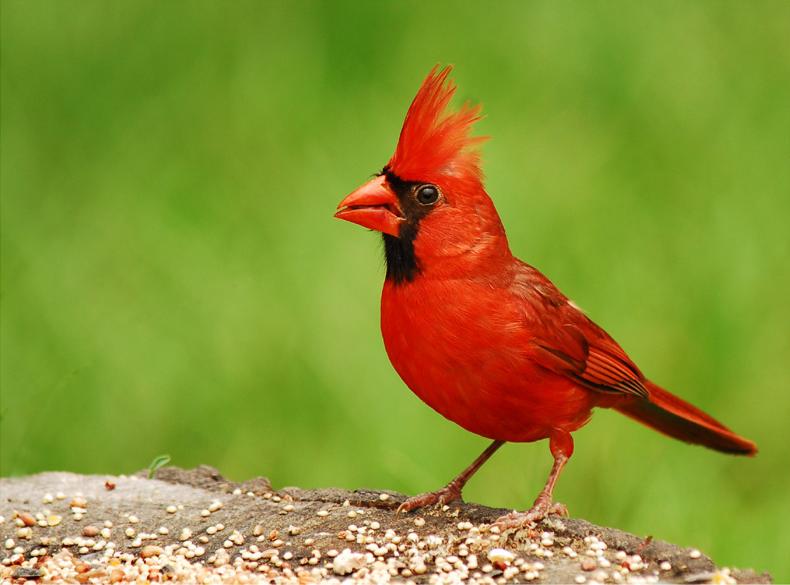
Cardinal Photo:
Wikkimedia Commons Credits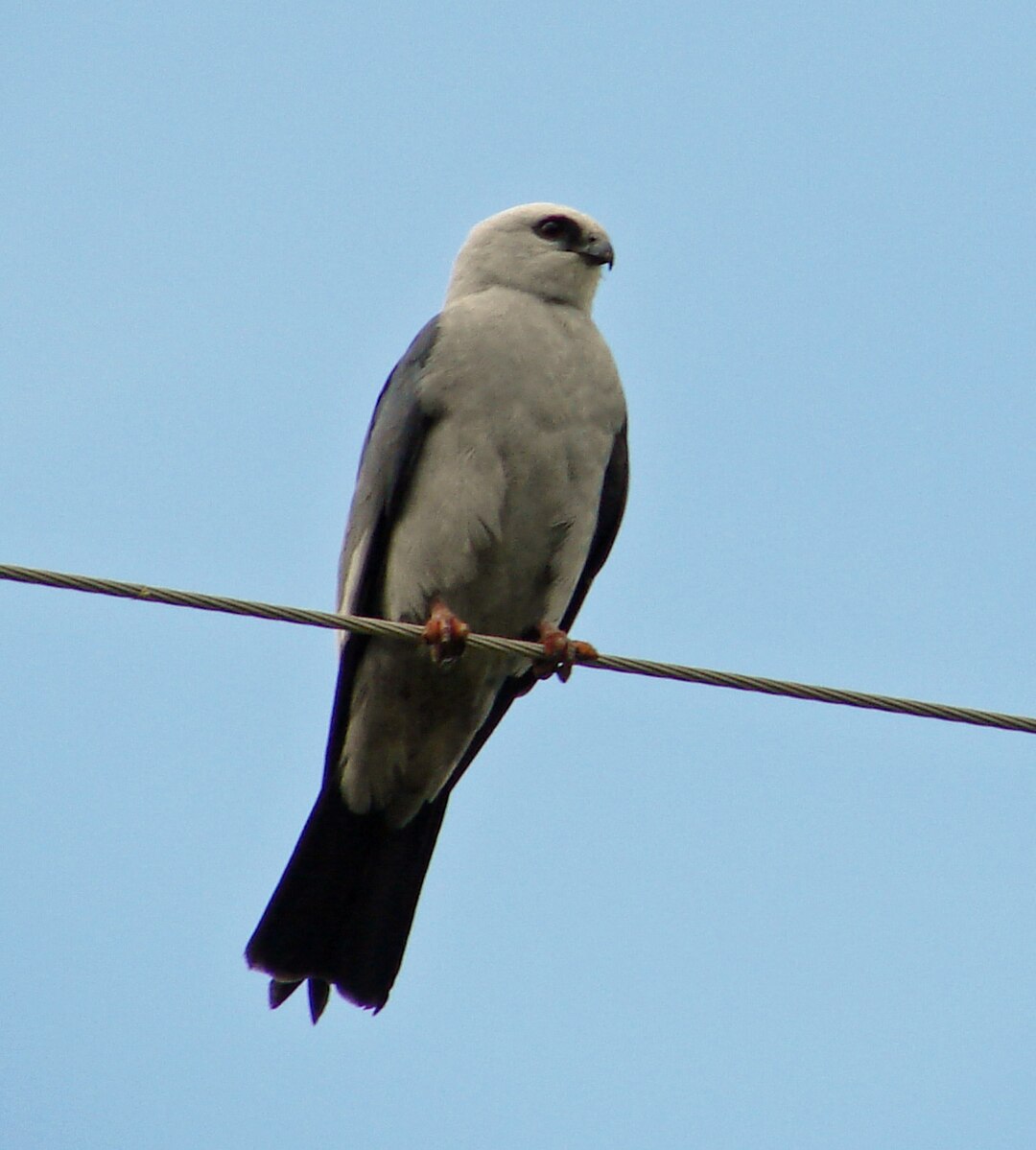
Mississippi Kite Photo:
Wikkimedia Commons Credits
At creeks or ponds: American Coot, Mallard Duck
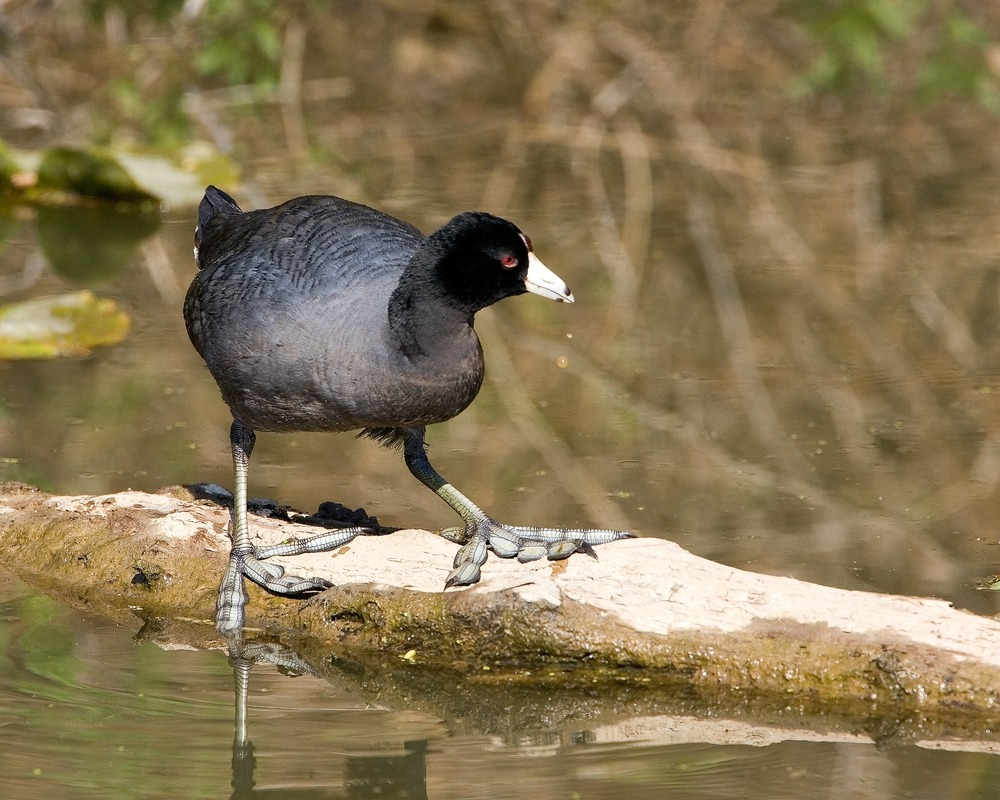
American Coot Photo:
Public Domain
from US Geological Survey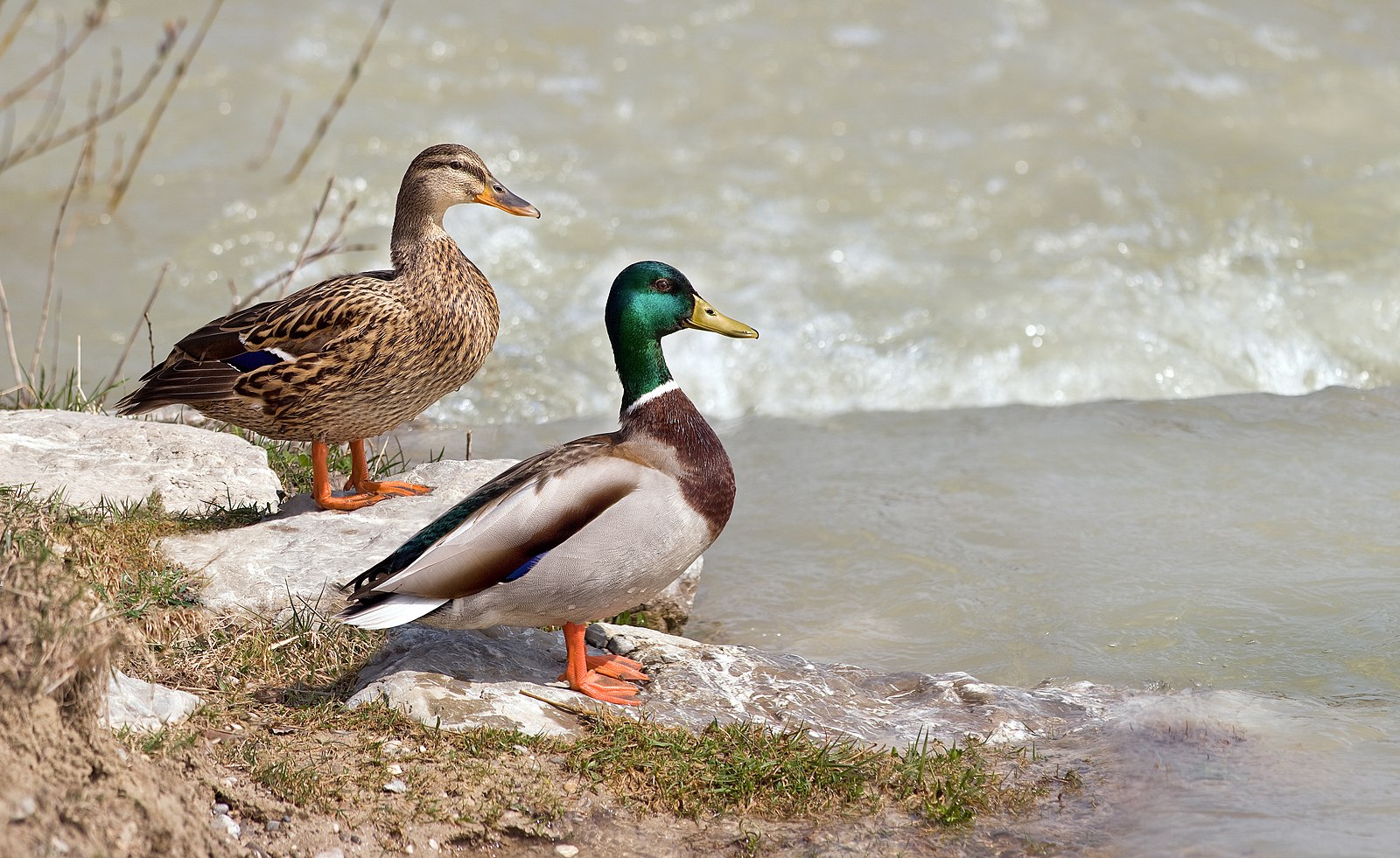
Mallard Duck Photo:
Wikkimedia Commons Credits
In parks or fields: Scissor-tail Flycatcher, Blue Bird
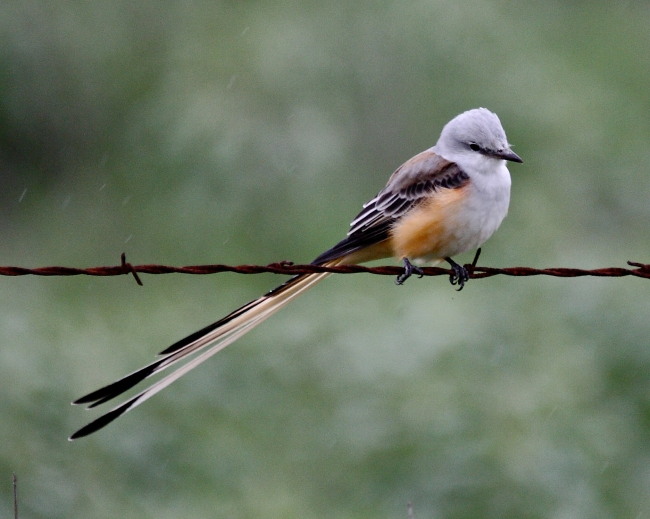
Scissor-tail Flycatcher Photo:
Public Domain
from US Fish and Wildlife Service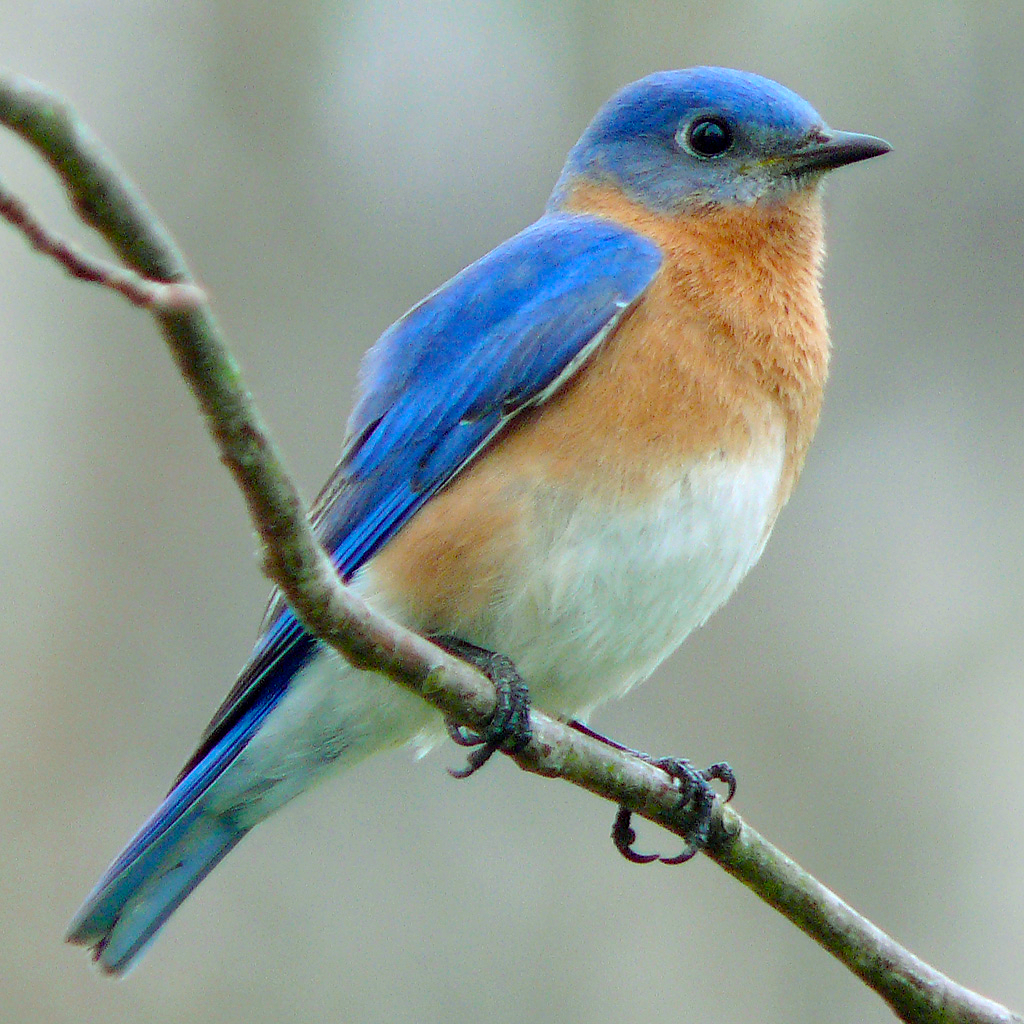
Blue Bird Photo:
Public Domain
from Wikkimedia Commons
Benefits of Keeping a Birding Journal
• Aids in tracking the birds you see to identify patterns and trends in their behavior.
• Helps reduce stress. Making your own discoveries about nature is fun and rewarding!
Raven Fun Facts
It would be rare to view a raven in Denton.
But if you travel out west to El Paso, TX or south to Big Bend National Park, you’re likely to see and hear them.
You can frequently spot two raven relatives in Denton – crows and blue jays.
How do ravens sound?
A raven’s “CAW!” is generally deeper and more throaty than a crow’s.
Ravens also have a wide range of other calls, ranging from gurgles to clicks. And as in Rascally Ravens, they have a talent for mimicry.
What’s the difference between a raven and a crow?
• Generally, crows are 25% smaller than ravens, with a length of 17–21 inches and a 33–39 inch wing span. By contrast, ravens can grow up to 25 inches long with a wing span of over 4 feet.
• With a larger wing-span, ravens soar and ride thermals like a hawk. Crows continuously flap their wings with short, steady movement.
• A crow's tail is flat-edged and rounded like a fan, while a raven’s is wedge-shaped, coming to a point. This is easiest to spot when the bird is flying overhead.
• Ravens have a huskier beak and a thick ruff around their necks that crows do not.
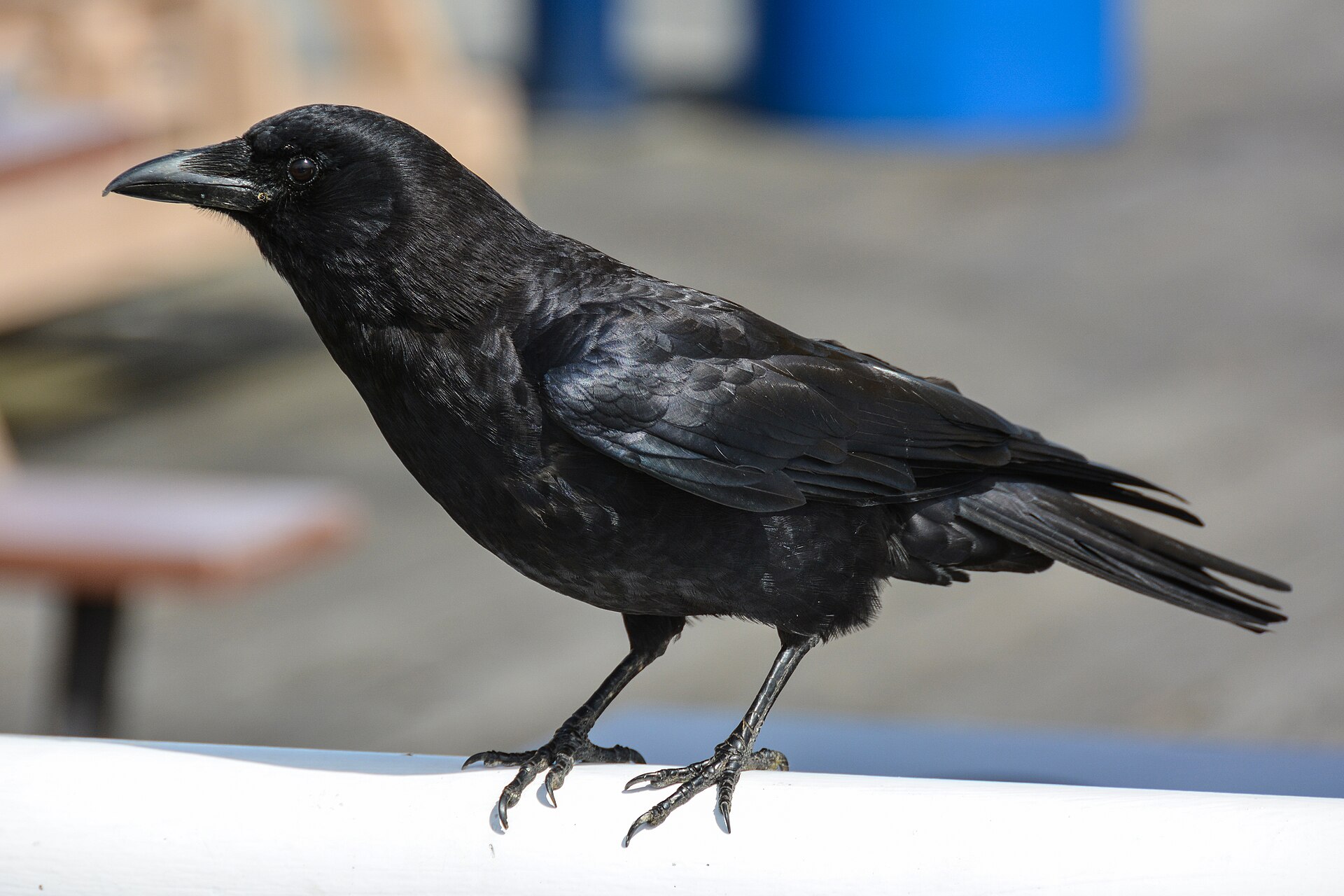
Crow Photo:
Wikkimedia Commons Credits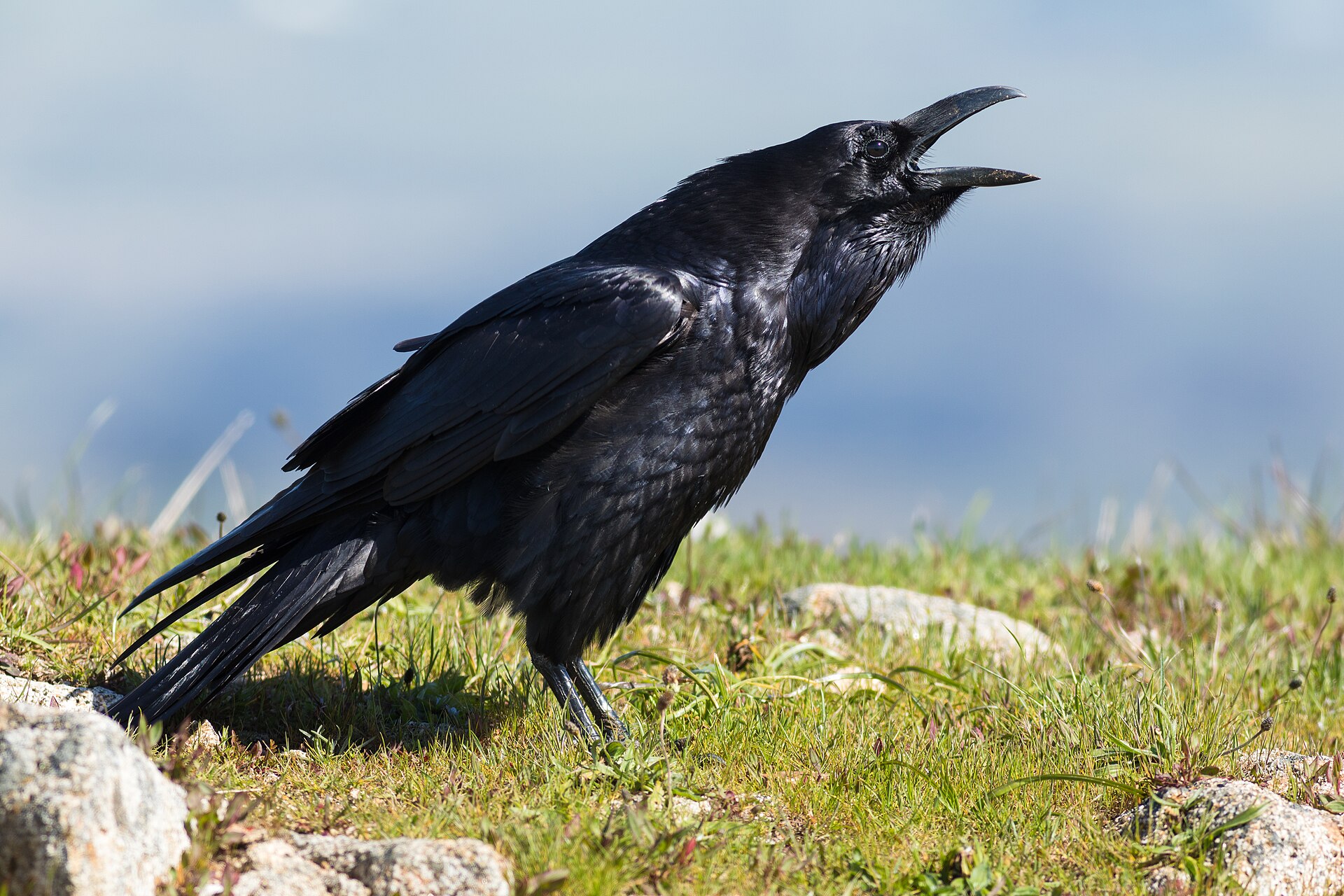
Raven Photo:
Wikkimedia Commons Credits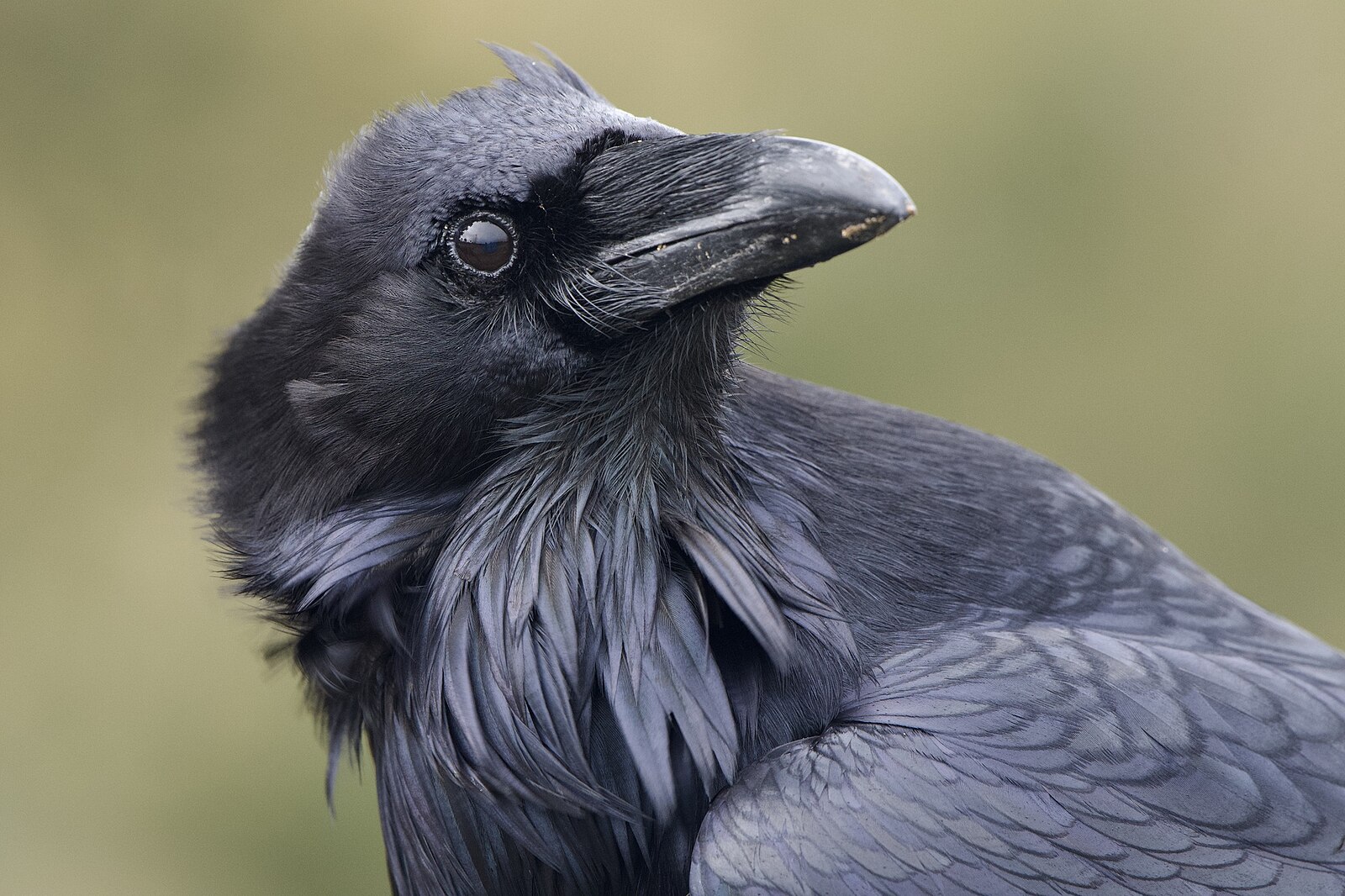
Raven Photo:
Public Domain


.jpg)
